Our Mission
At ISL Lab, our mission is to bridge the gap between artificial intelligence and the physical world. Moving beyond traditional model scaling paradigms, we strive to advance a new generation of practical and deployable Physical AI capable of operating reliably in complex, real-world environments.
To this end, our research focuses on Knowledge Integration, enabling the adaptation of large foundation models to domain-specific physical tasks. We explore World Models and test-time self-evolving architectures to ensure adaptive and resilient behavior under real-world uncertainty, and ultimately pursue efficient on-device AI that delivers reliable intelligence on resource-constrained systems.
Research Area
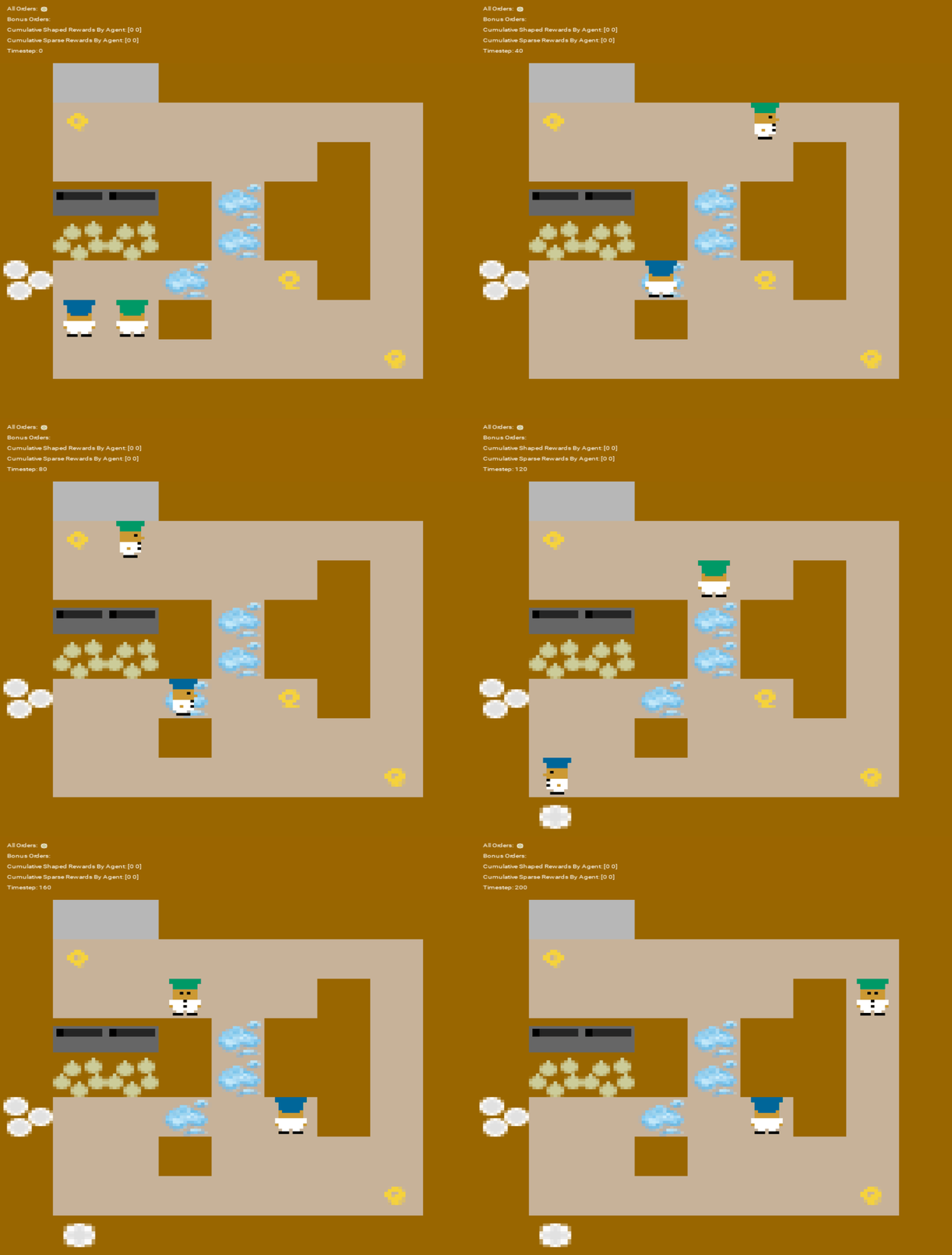
Rollout
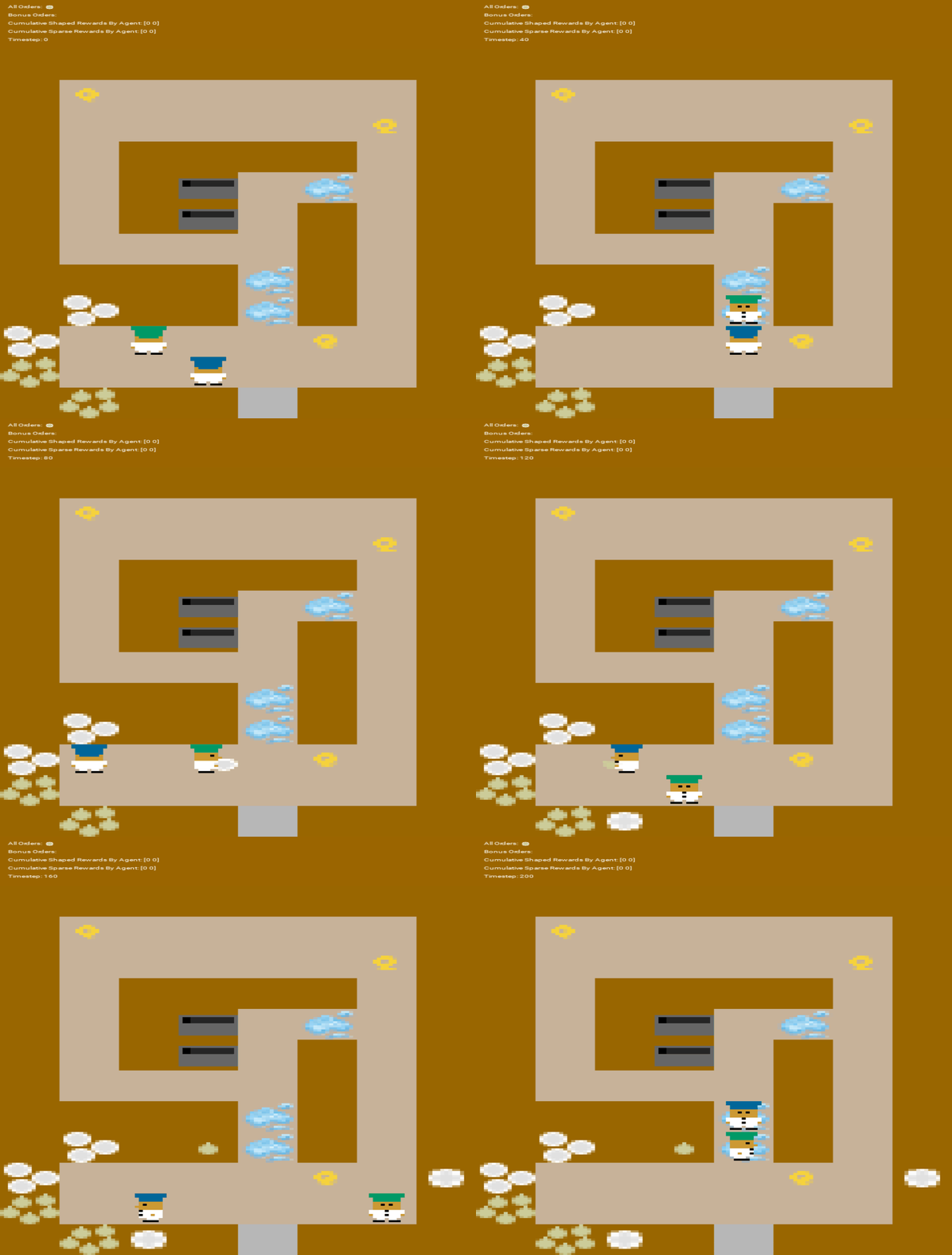
Evolving
Self-Evolving A.I.
Building AI systems that autonomously improve through interaction with the environment, enabling continual learning, test-time adaptation, and self-refinement without human intervention.
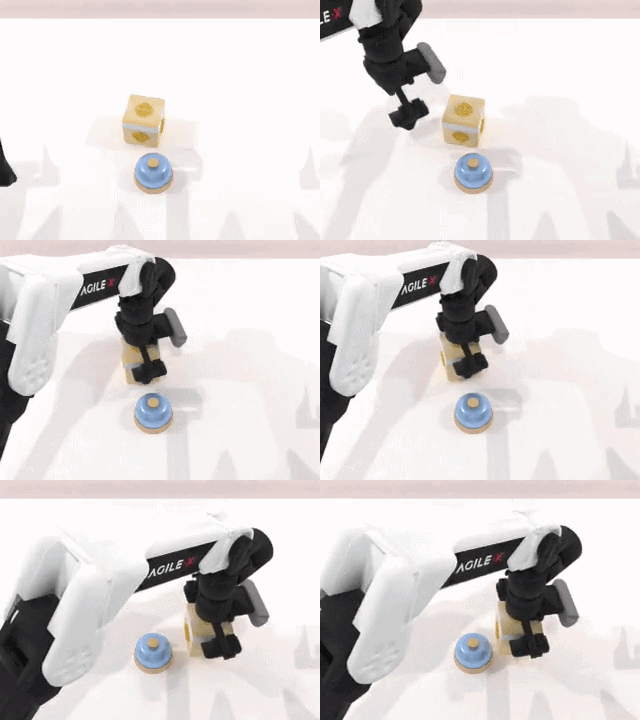
AgileX
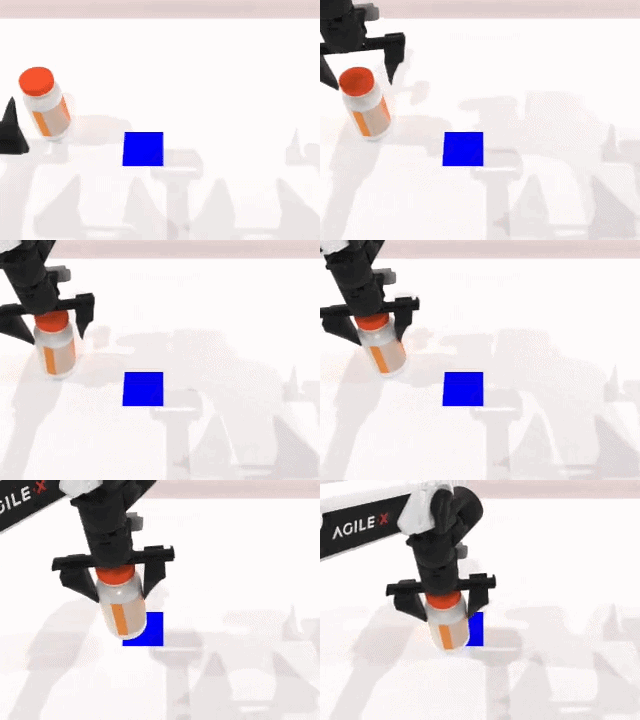
Arx-X5
Robotics AI
Advancing the frontier of Embodied AI by integrating multimodal perception with real-world robotic control to automate complex physical tasks.

Knowledge Integration
Research on integrating knowledge from multiple sources and modalities to enhance AI systems' understanding and decision-making capabilities.
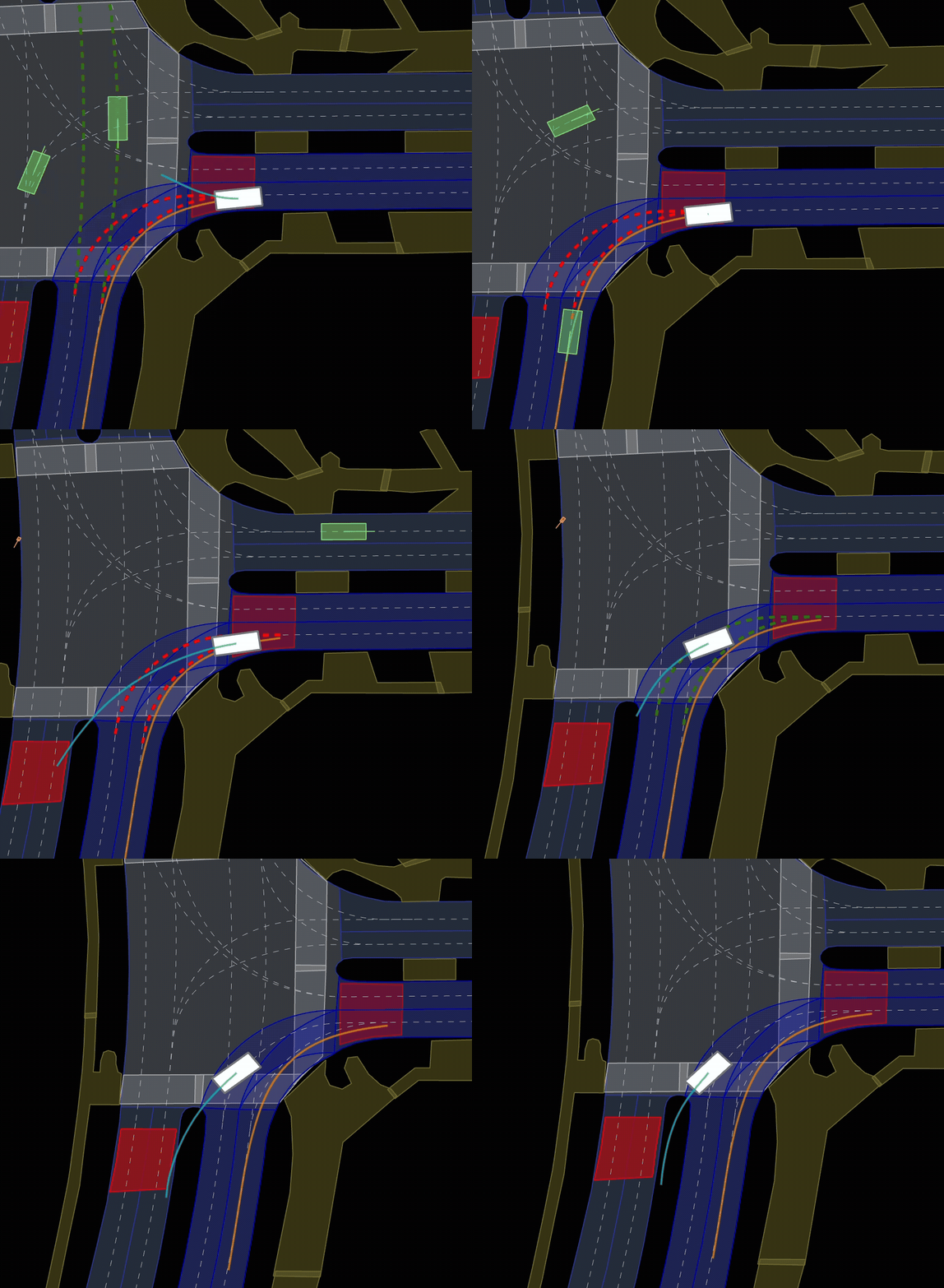
Chat Driving
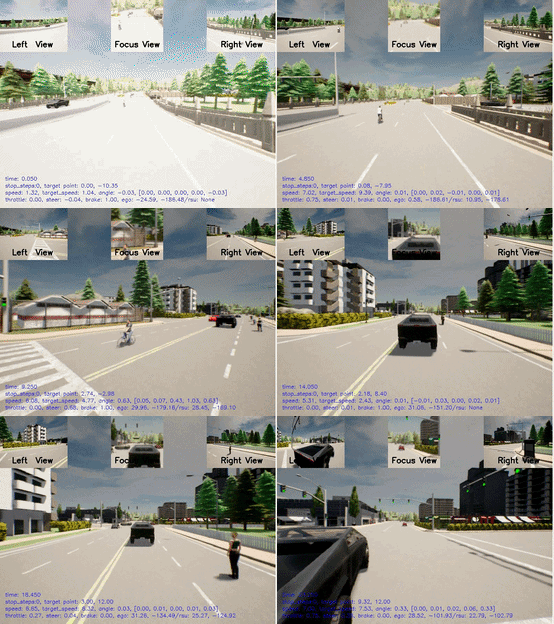
Attack Driving
Autonomous Driving
Enabling safe and intelligent autonomous driving through trajectory prediction, motion planning, and multimodal scene understanding for real-world environments.
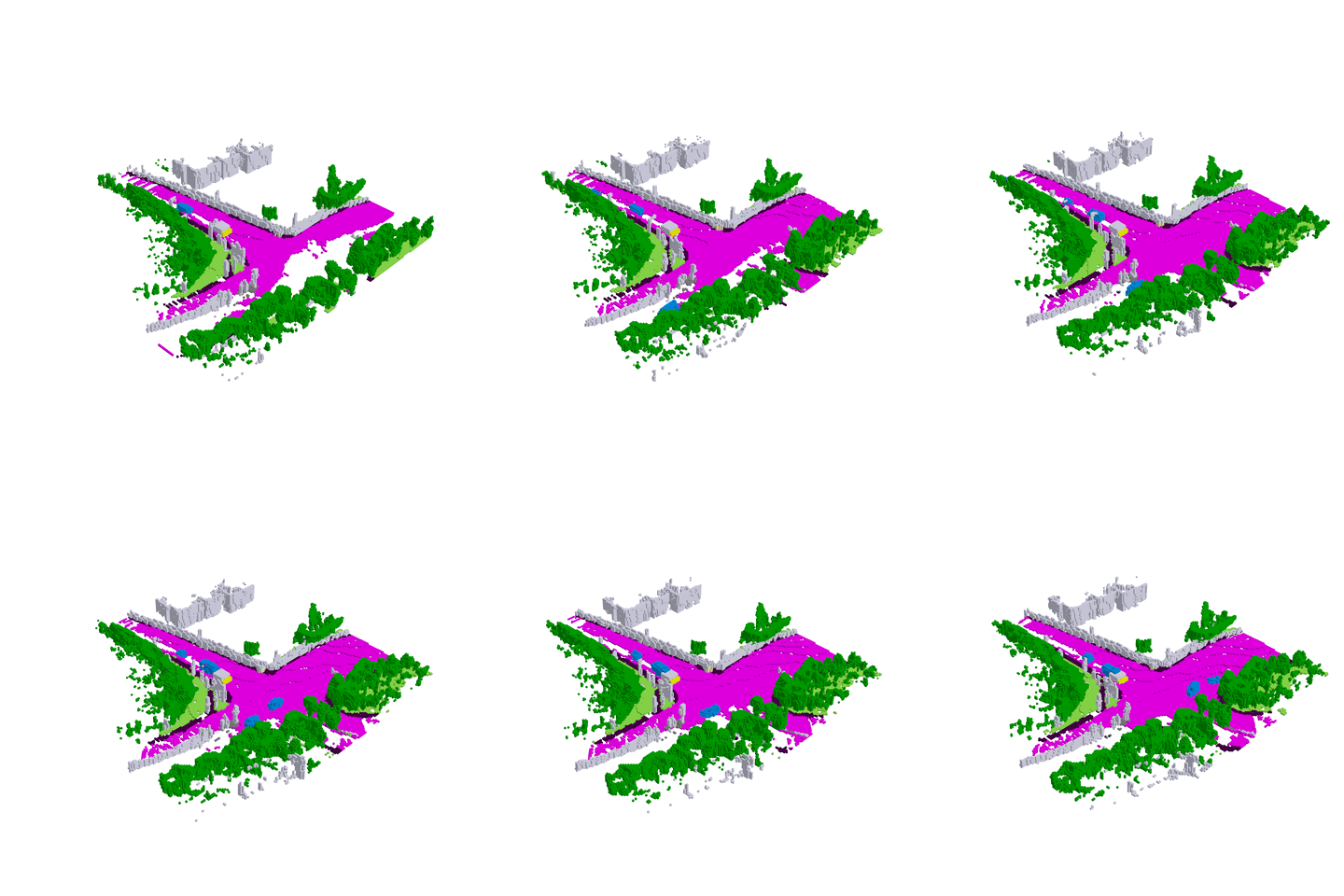
World Model Sample 1
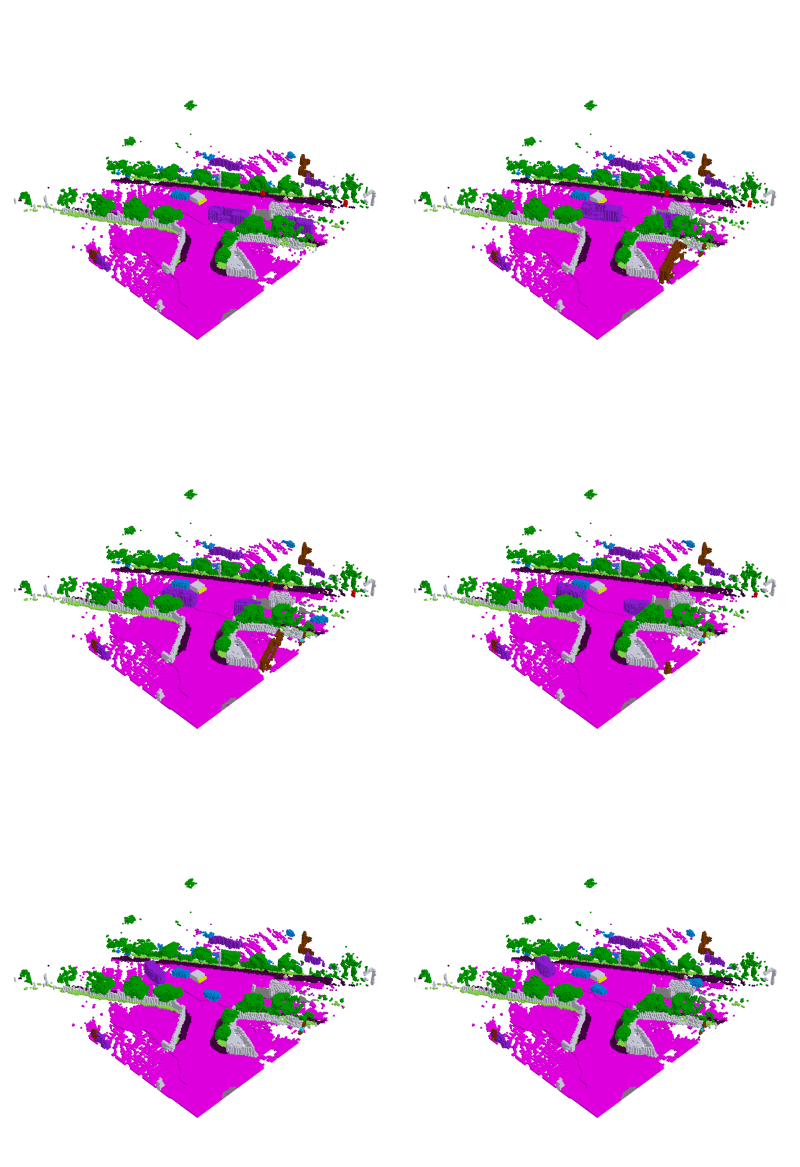
World Model Sample 2
World Model
Developing internal models that allow AI systems to predict, simulate, and reason about future states of the world, enabling more robust planning and decision-making under uncertainty.
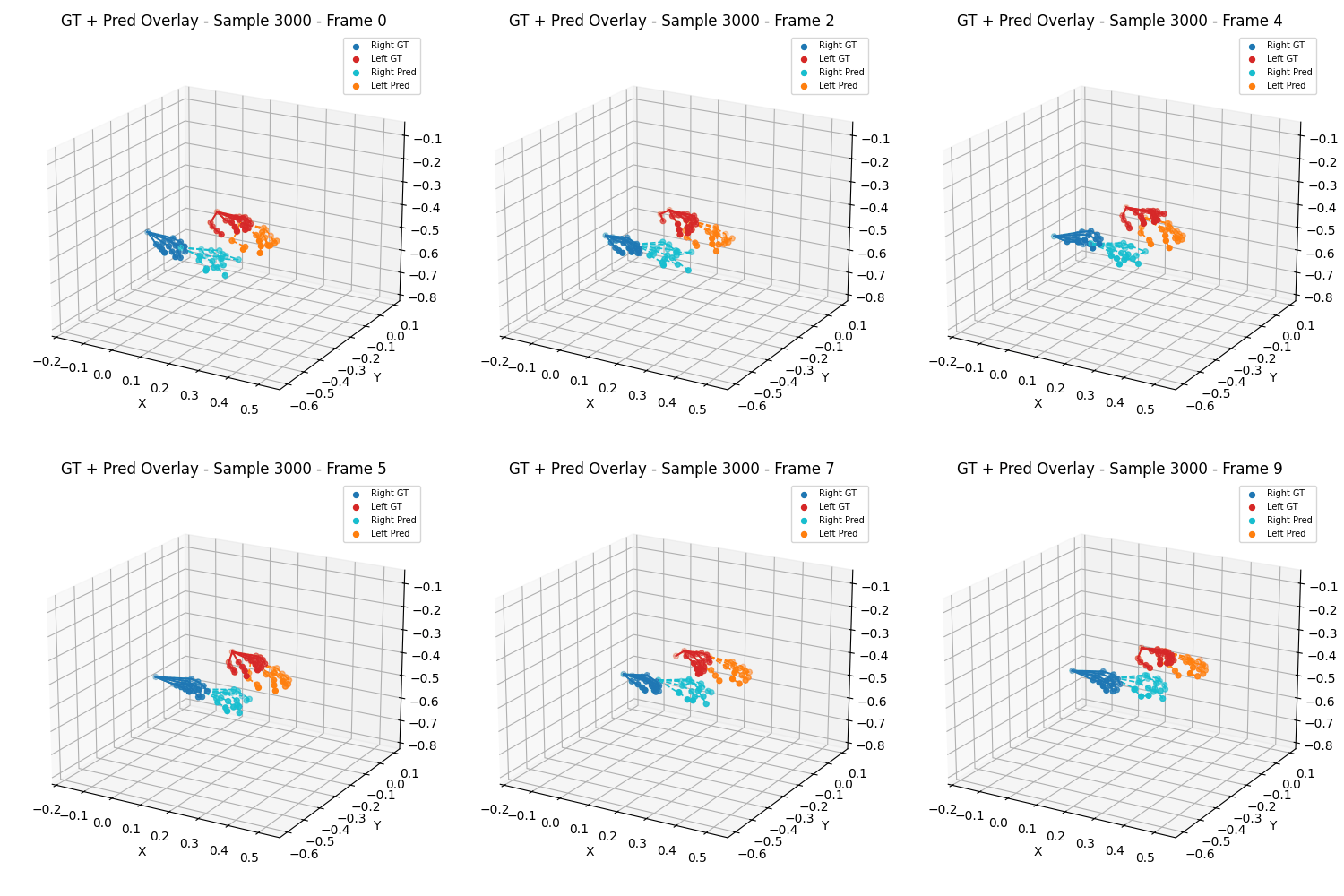
3D Hand Pose Sample
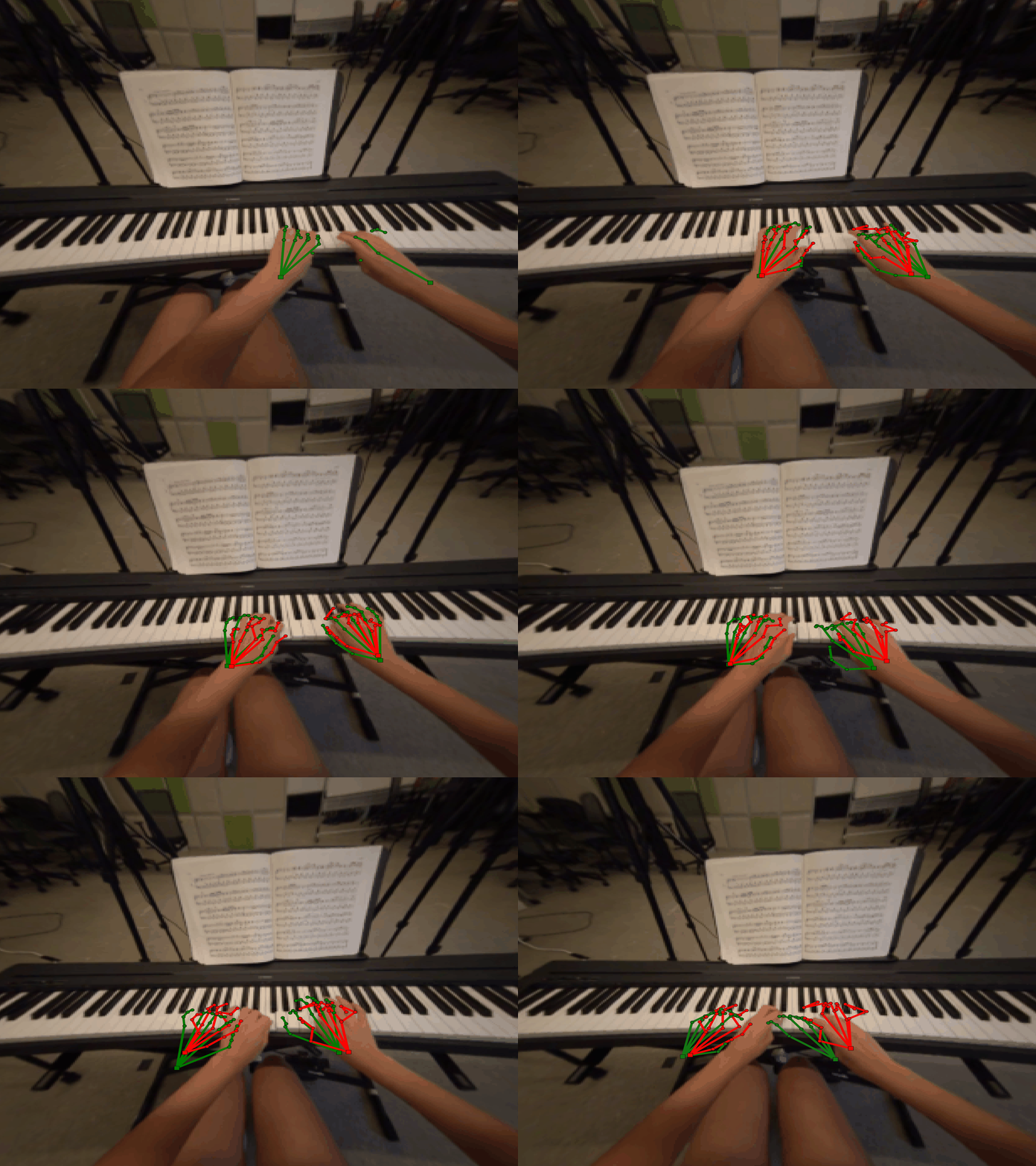
2D Hand Pose Sample
Human Motion Modeling
Research on modeling and generating human motion using generative AI techniques.
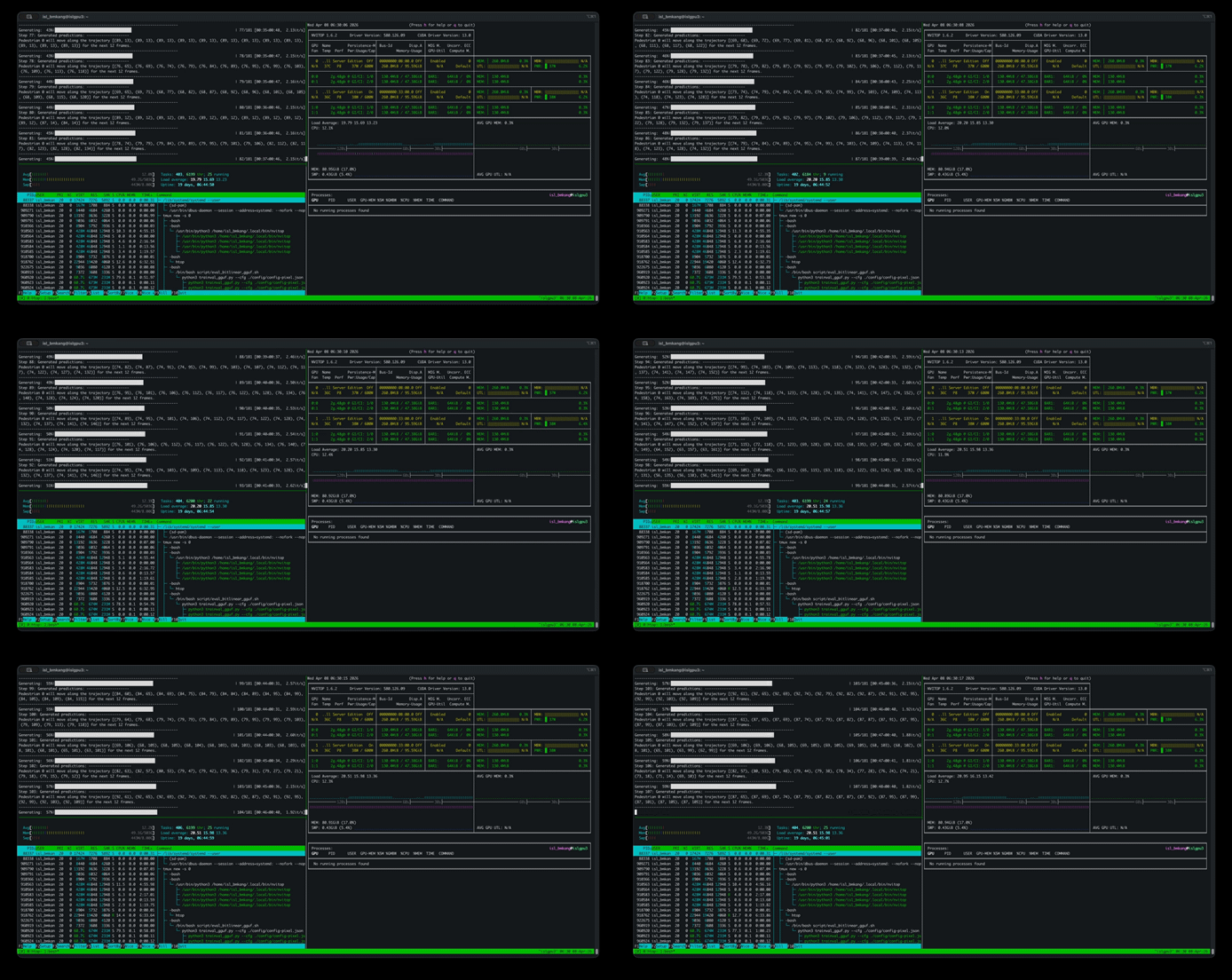
On-Device AI
Enabling reliable AI inference on resource-constrained devices by developing efficient model compression, adaptation, and deployment techniques for foundation models in real-world physical systems.
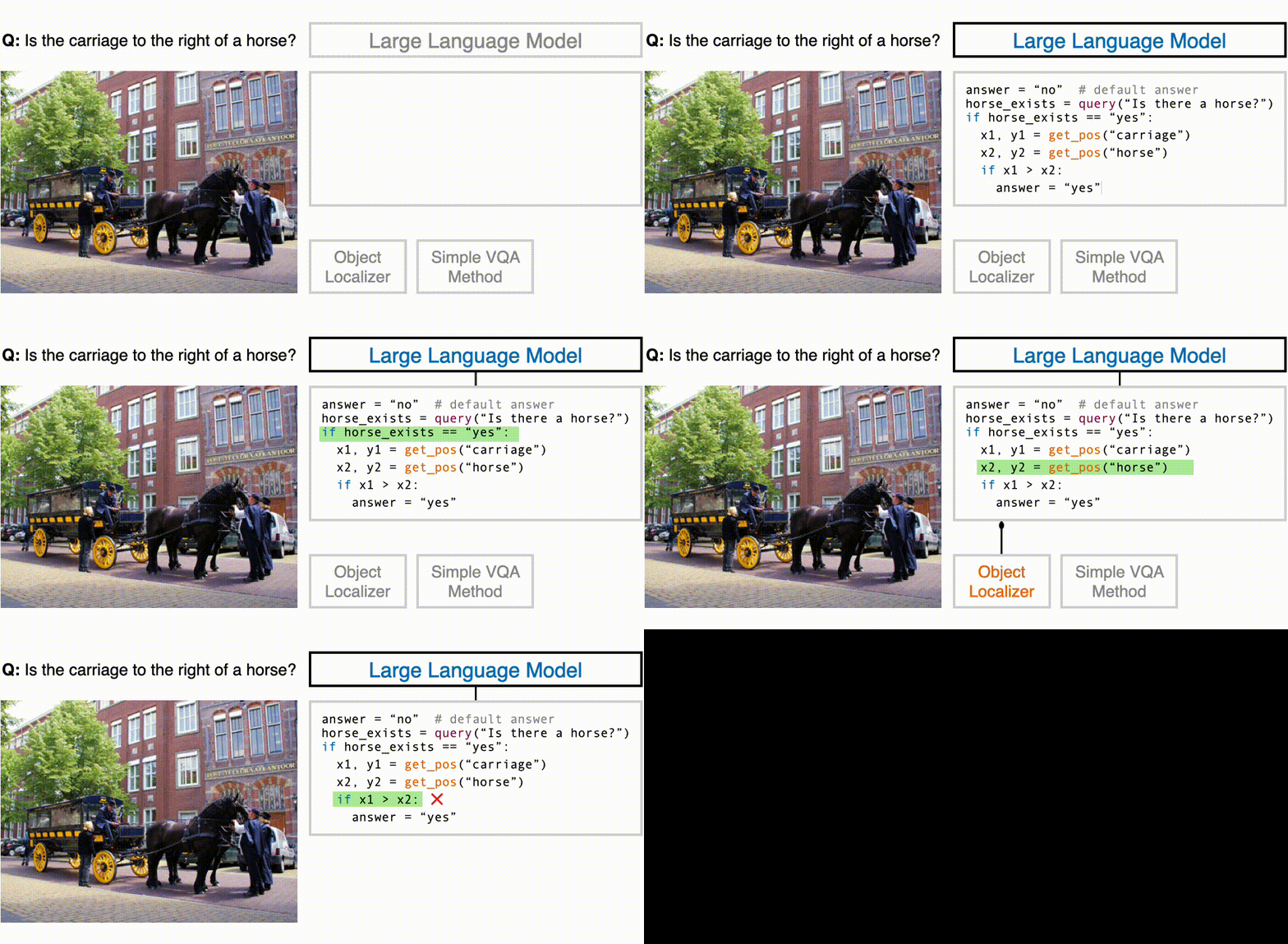
Computer Vision & Multimodal A.I.
Developing high-level scene understanding models such as semantic segmentation, object detection, and scene reconstruction for autonomous systems, robotics, and other applications.